
Florida renters insurance can help protect your personal belongings, finances, and liability exposures while you rent a home, apartment, condo, or other residence. It can also help with additional living expenses when a covered loss makes your rental temporarily uninhabitable.
What Is Renters Insurance in Florida?
Renters insurance is a personal insurance policy designed for people who rent rather than own the residence where they live.Depending on the policy, it may provide coverage for personal belongings, personal liability, medical payments to others, and additional living expenses after a covered loss.The landlord’s property insurance generally protects the building or structure—not the renter’s furniture, electronics, clothing, and other personal belongings. That is one of the primary reasons renters should consider their own insurance.
Interactive Graphic

Personal Property
Risk Factor
Unpredictable losses can occur to your property due to burglary, fire, water damage, storm, and more.
Solution
Personal property, such as furniture, rugs, TVs, stereos, clothes, and more may be covered under your basic insurance policy. However, items like jewelry, furs, silverware, antiques, collectibles, and other valuables should likely be insured separately.
Limits and Exclusions
Risk Factor
Some types of personal property are subject to limits of coverage under renters insurance policies. These limits vary by the type of property and by what caused the loss or damage. For example, jewelry, bicycles, collectible cards, and coins may have limited coverage or may not be covered.
Solution
Obtain a personal floater or schedule your valuable possessions to ensure you’ll have the money to replace them.
Additional Living Expense
Risk Factor
If the building you live in has a loss from a covered peril under your renters insurance policy that makes your apartment or home uninhabitable, you will need to find somewhere else to live while the repairs are undertaken. This can be expensive and inconvenient.
Solution
Be sure your insurance policy includes additional living expense coverage. If you need to move out and rent another location, this coverage provides for the increase in living expenses–such as moving costs, increased food costs, and other expenses.
Liability
Risk Factor
You are responsible if you or a guest in your unit trips and falls or sustains an injury while on your property.
Solution
Be sure that you have adequate liability insurance to protect for claims made against you for bodily injury or property damage – such as a slip and fall or other allegation. Liability coverage also provides protection should you become legally liable for unintentional bodily injury or property damage anywhere in the world.
Medical Expenses
Risk Factor
You're responsible if a guest is injured while on your property and you may be required to pay their medical expenses.
Solution
Ensure your insurance policy covers this risk. In the event a person is injured in your unit, he or she can submit medical bills to your insurance company. Medical expenses are usually paid without a liability claim being filed against you, with typical limits ranging from $1,000 to $5,000.
Landlord
Risk Factor
You may not be able to rent the apartment or home if your landlord or property manager requires renters insurance and you do not have it.
Solution
Having a renters insurance policy allows you to provide a certificate of insurance to the landlord or property manager showing that you have the coverage required to rent the apartment or home.
Improvements or Betterments
Risk Factor
Any improvements or betterments that you have made to your unit are subject to damage.
Solution
Be sure to obtain coverage for improvements or betterments that you have installed in your apartment or home.
Contents Away from Home
Risk Factor
You may take your valuable property outside of your unit. For example, what happens if your laptop or golf clubs get damaged or stolen while traveling?
Solution
Be sure to add off premises theft coverage to your policy to cover your personal property while your belongings are away from your home. Auto insurance does not usually cover personal property stolen from your car.
Premises Liability
Risk Factor
You may be responsible for damage to your apartment or dwelling should you, for example, have a leaking sink or accidentally start a fire.
Solution
Be sure your policy has liability coverage that includes tenants legal liability or premises liability. Your landlord may require that you to have this type of insurance protection in place as a requirement before renting the property to you.
What Does Florida Renters Insurance Cover?
Coverage varies by insurance company and policy, but a Florida renters insurance policy may include several important protections:
- Personal property such as furniture, clothing, electronics, appliances, and other belongings
- Additional living expenses after certain covered losses
- Personal liability coverage
- Medical payments to others
- Certain improvements or betterments you make to the rental
- Personal property temporarily away from your residence
- Additional coverage for eligible valuables when properly scheduled or endorsed
Coverage depends on the cause of loss, limits, deductibles, exclusions, valuation method, endorsements, and other policy provisions.
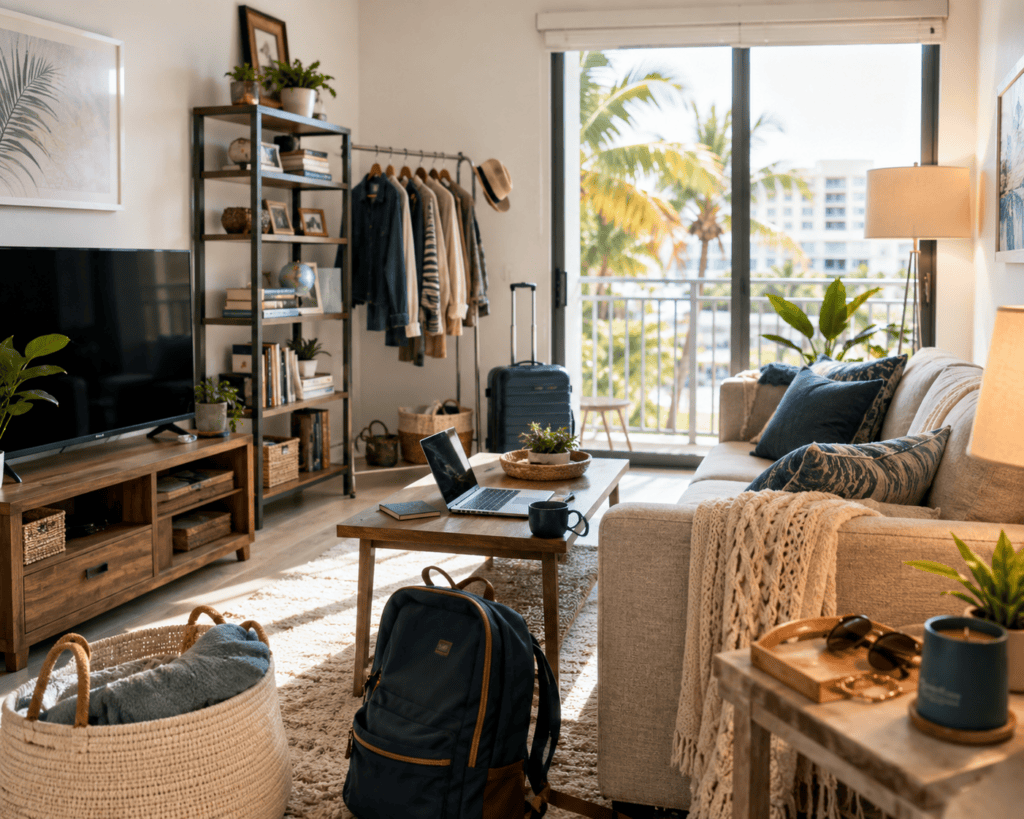 Florida renters insurance can help protect your personal belongings, liability, and additional living expenses after a covered loss.
Does Your Landlord’s Insurance Cover Your Belongings?
Generally, no. A landlord’s property insurance is intended primarily to protect the landlord’s building and financial interest in the property. It should not be assumed to insure a tenant’s furniture, clothing, electronics, jewelry, or other personal belongings.
For example, if a covered fire damages an apartment building, the landlord’s policy may address qualifying damage to the building while each tenant may need their own renters insurance for covered damage to their personal property.
Renters should also maintain their own liability protection rather than assuming the landlord’s insurance protects them against claims arising from their personal activities.
How Much Personal Property Coverage Do You Need?
The appropriate personal property limit should reflect the value of the belongings you would need to replace after a major covered loss.
Furniture, electronics, computers, televisions, clothing, kitchenware, sporting equipment, décor, and other everyday belongings can add up quickly. Creating a home inventory with photographs, videos, receipts, serial numbers, and estimated values can help determine an appropriate coverage amount and may also help document a future claim.
Coverage should be reviewed periodically as you purchase or replace belongings.
Replacement Cost vs. Actual Cash Value for Renters Insurance
How your belongings are valued after a covered loss can significantly affect the amount you receive.
Actual Cash Value generally considers depreciation when determining the value of damaged or destroyed property. Replacement Cost coverage generally reimburses the cost of replacing covered property with new property of similar kind and quality, subject to the policy’s terms.
For example, an older television may be worth substantially less after depreciation than the amount required to purchase a comparable new television. Renters should review which valuation method their policy uses rather than comparing policies solely by premium.
For a deeper explanation of replacement cost, actual cash value, and how insurance valuation methods differ, read our guide, Replacement Cost vs. Market Value in Florida.
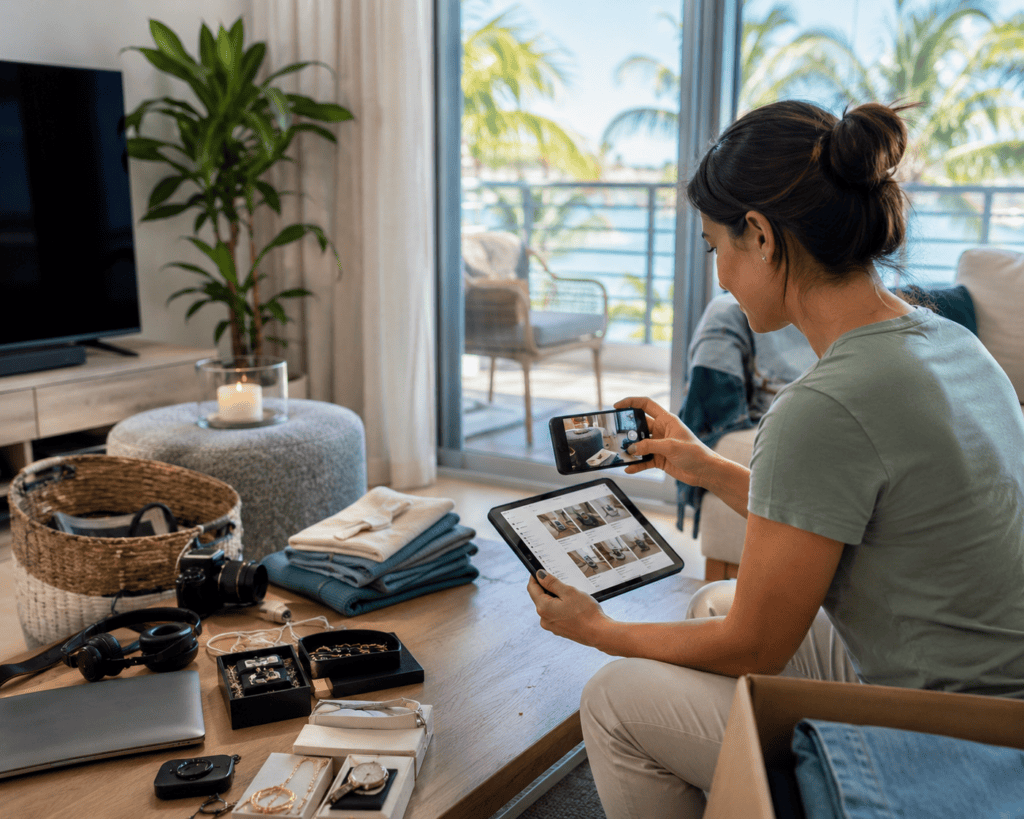 Creating a home inventory with photos, receipts, serial numbers, and estimated values can help document your belongings & make it easier to review whether your renters insurance limits are appropriate.
Does Florida Renters Insurance Cover Hurricanes and Wind Damage?
Renters insurance may cover personal property damaged by windstorms or hurricanes when wind is a covered cause of loss under the policy, subject to applicable deductibles, exclusions, and policy terms.
For example, belongings damaged after covered wind causes direct damage to a rental residence may qualify for coverage depending on the circumstances and policy.
Florida renters should review wind coverage carefully because hurricane and coastal exposures can differ by property location and insurance company. Flooding and storm surge are separate exposures and should not be confused with wind damage.
Does Florida Renters Insurance Cover Flood Damage?
Standard renters insurance generally should not be assumed to cover personal property damaged by flooding from rising or overflowing water.
Florida renters can obtain flood coverage for personal belongings through available flood insurance options. Depending on the insurer, flood coverage may sometimes be available by endorsement, while a separate contents-only flood policy may be appropriate in other situations.
A landlord’s flood insurance for the building generally does not protect a tenant’s personal belongings. Renters should consider their own flood exposure even when they do not live in a traditionally high-risk flood zone.
Does Renters Insurance Cover Water Damage?
Certain sudden and accidental water losses may be covered under a renters insurance policy, depending on the cause and policy. Examples can include qualifying accidental discharge or overflow of water from plumbing or household systems.
Flooding from rising water is different and generally requires flood insurance. Sewer or drain backup and long-term leakage may also be excluded or limited unless applicable coverage or endorsements are included.
Because different types of water damage are treated differently, renters should review exactly which water-related losses their policy covers.
Does Renters Insurance Cover Belongings Away From Home?
Renters insurance may provide personal property coverage even when belongings are temporarily away from the insured residence, subject to policy limits and exclusions.
For example, eligible belongings stolen while traveling or from another covered location may qualify for coverage depending on the policy and circumstances.
Special limits can apply to certain types of property, and property kept at another residence may have reduced coverage.
How Does Personal Liability Coverage Protect a Renter?
Personal liability coverage can help protect a renter when they become legally responsible for covered bodily injury or property damage to another person.
Examples might include a guest being injured because of something for which the renter is legally responsible or accidental damage caused to someone else’s property. Coverage may also include legal defense costs for qualifying claims.
Liability limits should be selected based on the renter’s financial exposure rather than simply choosing the lowest available limit. Renters with significant assets or higher liability exposures may also want to consider personal umbrella insurance.
Does Renters Insurance Pay for Temporary Housing?
Loss of Use coverage may help with additional living expenses when a covered loss makes the rental residence temporarily uninhabitable.
Depending on the policy, qualifying expenses may include the additional cost of temporary housing, hotels, meals, moving expenses, and other necessary increases in living expenses while the property is repaired.
The coverage generally applies only to reasonable additional expenses above the household’s normal living costs and is subject to policy limits and time restrictions. Receipts should be retained to document eligible expenses.
 If a covered loss makes your rental temporarily uninhabitable, Loss of Use coverage may help with reasonable additional expenses such as temporary housing, hotels, meals, and other necessary living costs.
Are Roommates Covered by the Same Renters Insurance Policy?
Do not assume that an unrelated roommate is automatically protected by your renters insurance policy. Coverage generally depends on who qualifies as an insured under the policy and who is specifically listed or otherwise eligible for coverage.
An unrelated roommate may need a separate renters insurance policy to protect their own belongings and liability exposures.
Household members should be disclosed accurately so the insurance company can determine who is and is not insured.
Is Renters Insurance Required in Florida?
Florida does not generally require every residential tenant to purchase renters insurance by state law. However, a landlord or property manager may require renters insurance as a condition of the lease.
When the lease requires insurance, it may specify minimum liability limits or require proof that coverage remains in force. Renters should review their lease and insurance requirements before moving into the property.
Even when renters insurance is not required, it can provide important protection for personal belongings, liability, and additional living expenses that a landlord’s insurance generally does not provide to the tenant.
What Does Renters Insurance Typically Not Cover?
Renters insurance does not cover every type of loss. Depending on the policy, common exclusions or limitations may include:
- Flooding unless appropriate flood coverage applies
- Normal wear and tear or deterioration
- Intentional damage
- Certain long-term water or maintenance problems
- Damage to your automobile
- Property belonging to an unrelated roommate who is not insured
- Certain business property or business activities
- Losses above special limits for jewelry, art, collectibles, money, and other valuable property
Some exposures may be addressed through an endorsement or separate policy, while others remain excluded. Always review the actual policy rather than assuming every renters policy provides the same protection.
What Affects the Cost of Renters Insurance in Florida?
The cost of Florida renters insurance can depend on the location and characteristics of the residence, amount of personal property coverage, liability limits, selected deductible, claims history, replacement-cost options, additional endorsements, household exposures, and insurance company.
Certain animals, valuable property, prior losses, and other underwriting factors may also affect eligibility or premium.
Because insurers use different rates and underwriting guidelines, renters should compare both coverage and price rather than selecting a policy solely because it has the lowest premium.
Florida Renters Insurance for Northeast Florida Renters
First Florida Agency helps renters in Jacksonville, St. Augustine, Ponte Vedra, Nocatee, St. Johns County, and throughout Northeast Florida compare renters insurance options for apartments, condos, rental homes, and other residences.
We can help review personal property limits, replacement-cost options, liability coverage, additional living expenses, valuable belongings, deductibles, flood exposure, and other important policy differences.
Whether your landlord requires insurance or you simply want to protect yourself financially, the appropriate policy should reflect your belongings, household, rental arrangement, and liability exposures.
Need renters insurance in Florida? Request a quote or contact First Florida Agency at to compare coverage options.
Florida Renters Insurance FAQs
What Does Renters Insurance Cover in Florida?
Florida renters insurance may cover personal belongings, personal liability, medical payments to others, and additional living expenses after certain covered losses. Coverage depends on the policy’s causes of loss, limits, deductibles, exclusions, and endorsements.
Is Renters Insurance Required in Florida?
Florida does not generally require every tenant to carry renters insurance by state law. However, a landlord or property manager may require renters insurance under the terms of the lease, including specified liability limits or proof of coverage.
Does My Landlord’s Insurance Cover My Personal Belongings?
Generally, no. A landlord’s insurance primarily protects the landlord’s building and property interests. Tenants typically need their own renters insurance to protect furniture, clothing, electronics, and other personal belongings from covered losses.
Does Florida Renters Insurance Cover Hurricane Damage?
Renters insurance may cover personal property damaged by hurricane or wind when windstorm is a covered cause of loss, subject to the policy’s terms, exclusions, limits, and applicable deductible. Flooding and storm surge are different exposures and generally require flood coverage.
Does Renters Insurance Cover Flood Damage in Florida?
Standard renters insurance generally does not cover personal property damaged by rising or overflowing floodwater. Renters can purchase contents-only flood insurance or other available flood coverage to help protect their belongings.
Does Renters Insurance Cover Water Damage?
Certain sudden and accidental water losses may be covered, such as qualifying accidental discharge or overflow from plumbing or household systems. Flooding, long-term leakage, sewer or drain backup, and maintenance-related losses may be excluded or require separate coverage.
Does Renters Insurance Cover My Belongings Away From Home?
Many renters policies provide personal property coverage when belongings are temporarily away from the residence, subject to policy limits and exclusions. Special limits may apply to valuable property or belongings kept at another residence.
What Is the Difference Between Replacement Cost and Actual Cash Value?
Actual Cash Value generally subtracts depreciation when settling a covered personal-property loss. Replacement Cost coverage generally pays the cost to replace covered property with new property of similar kind and quality, subject to the policy’s terms and settlement requirements.
Does Renters Insurance Pay for a Hotel or Temporary Housing?
Loss of Use coverage may help pay reasonable additional living expenses when a covered loss makes your rental temporarily uninhabitable. Depending on the policy, eligible expenses can include additional costs for hotels, temporary rentals, meals, and other necessary living expenses.
Does Renters Insurance Cover Roommates?
An unrelated roommate should not automatically be assumed to be covered by your renters policy. Coverage depends on who qualifies as an insured under the policy, and an unrelated roommate may need a separate renters insurance policy.
How Much Renters Insurance Do I Need?
The appropriate amount depends on the value of your belongings and your potential liability exposure. Creating an inventory of furniture, electronics, clothing, jewelry, and other possessions can help determine an appropriate personal property limit, while liability limits should reflect your financial circumstances and exposures.
What Affects the Cost of Renters Insurance in Florida?
Premiums can be affected by the residence location, personal property limit, liability limit, deductible, replacement-cost options, claims history, additional endorsements, household exposures, and insurance company. Rates and underwriting guidelines vary, so comparing both coverage and price is important.
Let’s Get Started
Florida Renters Insurance Quote Request
"*" indicates required fields
Don’t like forms? Contact us at or email us.
